
Blog
Winter & Salt-Belt Center Cap Care — Keeping Caps Alive on Canadian Roads
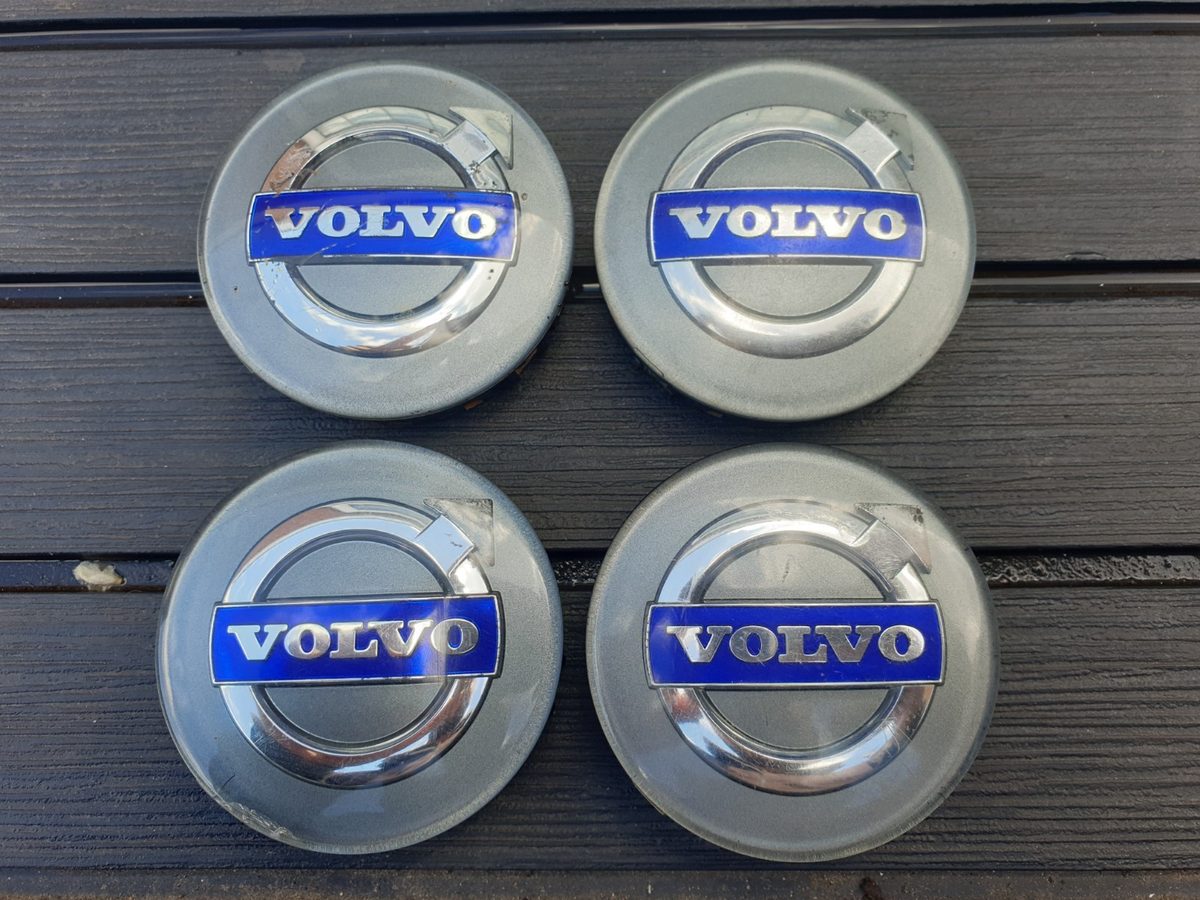
This site is run from Canada, so let's talk about the season that kills more center caps than potholes do. Winter doesn't just dirty your caps — road salt attacks the materials they're made of, freeze-thaw works on their clips, and the twice-yearly tire change gives tired caps two scheduled chances to crack, vanish, or get swapped onto the wrong wheel. Here's how to bring all four through to spring.
Know your materials
Factory caps are mostly ABS plastic, with aluminum alloy, stainless steel and chrome-plated steel or zinc also in the mix. The materials guidance is blunt: coated metal and quality ABS survive road salt best. The casualties, in order, are cheap chrome plating — which pits and flakes once salt gets under it — and brittle no-name plastic, whose clips snap in the cold instead of flexing. If you're buying replacements in the fall, you're not just buying a size; you're buying a material. Choose accordingly.
At the fall changeover
When the winter wheels go on, wash the summer caps before you store them — salt residue keeps working in a warm garage all winter. Dry them, check every clip for hairline cracks while you can still see straight, and store them bagged as a set, not loose in a bin of lug nuts. Note which caps came off which wheels if your sets differ. Five minutes in November is the cheapest cap maintenance there is.
During the season
Rinse the wheels when you rinse the car; salt slurry sitting in the cap recess is the enemy, and it concentrates exactly where the clips live. After any tire service, do the walk-around: four caps, seated flush, no rocking. Caps loosened by impact guns and hurried refits usually announce themselves early — a cap sitting crooked in January is a cap on the shoulder in February.
The spring inspection
At the spring changeover, pop each cap and inspect the clips, the ring seat if yours use a spring ring, and the cap's back for corrosion creeping from the edges. A cap with one cracked clip is a parts donor, not a runner. If you're replacing, replace by the rules: part number off the old cap, measurements from the Cap Finder families, technique from How to Measure. Winter is hard on caps. It doesn't have to be expensive.
Before any tire service, pop them yourself
One defensive habit worth adopting: remove your caps before the car goes in for tire or brake work, and refit them yourself after. Shops work fast, caps get pried with whatever is in hand, and a cap cracked by a hurried tool in October lets go in January — on your record, not theirs. It also guarantees the walk-around check happens, because refitting them is the check. Bag them, hand the shop bare wheels, and take the sixty seconds when the car comes home.
Disclosure: this site stocks nothing and sells nothing directly — we earn on referrals, not on parts. Where we mention dealers or marketplaces, any shopping link that becomes an active affiliate link may pay us a small commission at no extra cost to you. That model is exactly why our advice starts with a caliper instead of a checkout button.
Video: “Save your wheels from road salt corrosion, ceramic coating wheels DIY” — Ed Car DIY on YouTube →
Related guides
- Center Caps for Steel Winter Wheels
- Subaru Center Cap Size — 60 mm OD, 55 mm Clip ID
- Why Your Center Cap Fell Off
Next steps
Run your numbers through the Cap Finder, or re-check them with the How to Measure walkthrough before you order.
Shop this fitment on eBay Cap Concierge — we find your cap
Disclosure: shopping links are plain eBay searches today; when our eBay Partner Network links activate, purchases through them may earn oemcentercaps.com a commission at no cost to you. Advertise on oemcentercaps.com
Sources: Materials and salt-belt guidance via carinterior.alibaba.com hub cap guide (ABS, aluminum alloy, stainless, chrome-plated steel/zinc; coated metal and quality ABS noted as best in road salt); measurement method via EngineerFix guides. Verify by measuring.