
Blog
Why Your Center Cap Fell Off — the 1 mm Rule, Tired Clips, and Other Usual Suspects
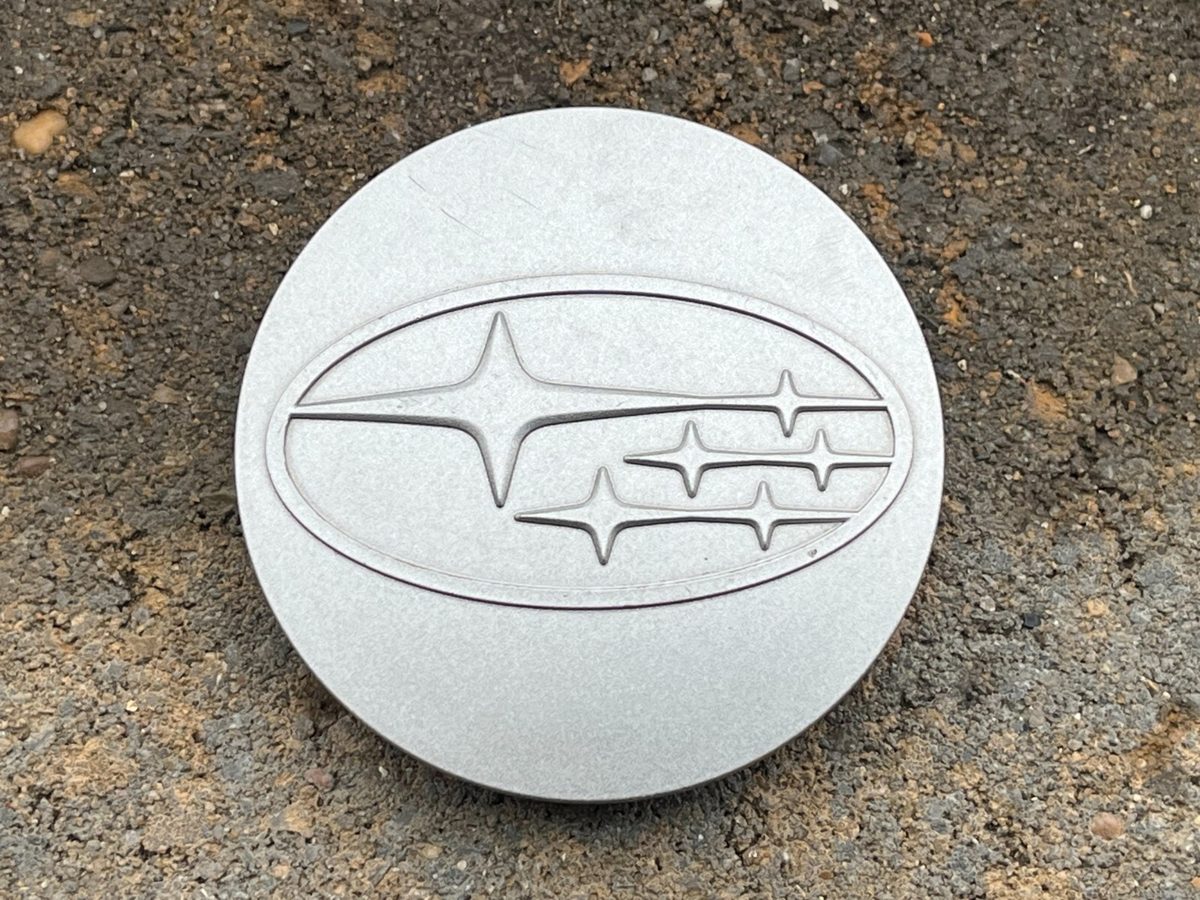
A missing center cap feels like bad luck. It almost never is. Caps are retained by interference and clips, physics doesn't play favourites, and when one leaves the wheel at speed it leaves for a reason that was knowable in advance. Here is the short list of usual suspects, in the order they actually occur.
Suspect one: the 1 mm miss
The foundational rule of this site, straight from the measurement literature: center cap sizing is metric, and a 1 mm miss means a cap that rattles, sits crooked, or falls off. Not might — the sequence is practically a schedule. A cap that went on "a bit loose" and rocked when you pressed it was telling you its diameter was wrong; the highway just delivers the verdict. This is why we say measure in millimetres, with a caliper, and treat fractions of a millimetre as real.
Suspect two: tired clips
Snap-in clips are a wear item. Heat cycles, cold snaps, salt, pry tools, and simple age all take the spring out of plastic. A cap can be the exactly correct size and still walk out of the wheel on clips that no longer grip. Diagnosis: if the replacement-size math checks out but the cap seats with no resistance — no snap, no effort — the clips are the story. This is also why a used cap at the right diameter can be a worse buy than a new one.
Suspect three: wrong depth
Clip depth — base of cap to clip tips — is the forgotten measurement. A cap whose clips are too deep can bottom out on the axle nut before the clips engage; the face looks seated, nothing is actually locked, and the first good bump evicts it. Too shallow, and the clips never reach their groove. If a correct-diameter cap won't stay, depth is the next measurement to take.
Suspect four: the refit that never seated
Tire rotations, seasonal changeovers, brake jobs — every wheel service is a cap-removal event, and a cap pressed back on at an angle, over dirt, or onto the wrong wheel of a mixed set may hold for a week and no longer. The walk-around after any service — four caps, flush, no rock — takes twenty seconds and catches this entire category.
Disclosure: this site stocks nothing and sells nothing directly — we earn on referrals, not on parts. Where we mention dealers or marketplaces, any shopping link that becomes an active affiliate link may pay us a small commission at no extra cost to you. That model is exactly why our advice starts with a caliper instead of a checkout button.
Related guides
- Center Cap Retention Styles Compared
- Buying Used OEM Center Caps — What to Check
- Lost Your Center Cap With No Spare? Measure the Wheel Opening
Next steps
Run your numbers through the Cap Finder, or re-check them with the How to Measure walkthrough before you order.
Shop this fitment on eBay Cap Concierge — we find your cap
Disclosure: shopping links are plain eBay searches today; when our eBay Partner Network links activate, purchases through them may earn oemcentercaps.com a commission at no cost to you. Advertise on oemcentercaps.com
Sources: The 1 mm rule and measurement set via EngineerFix measurement guides; retention and clip-depth background via carinterior.alibaba.com wheel cap guides and EngineerFix. Verify by measuring.