
Blog
How to Measure Wheel Center Cap Size (OD, Clip ID, Depth)
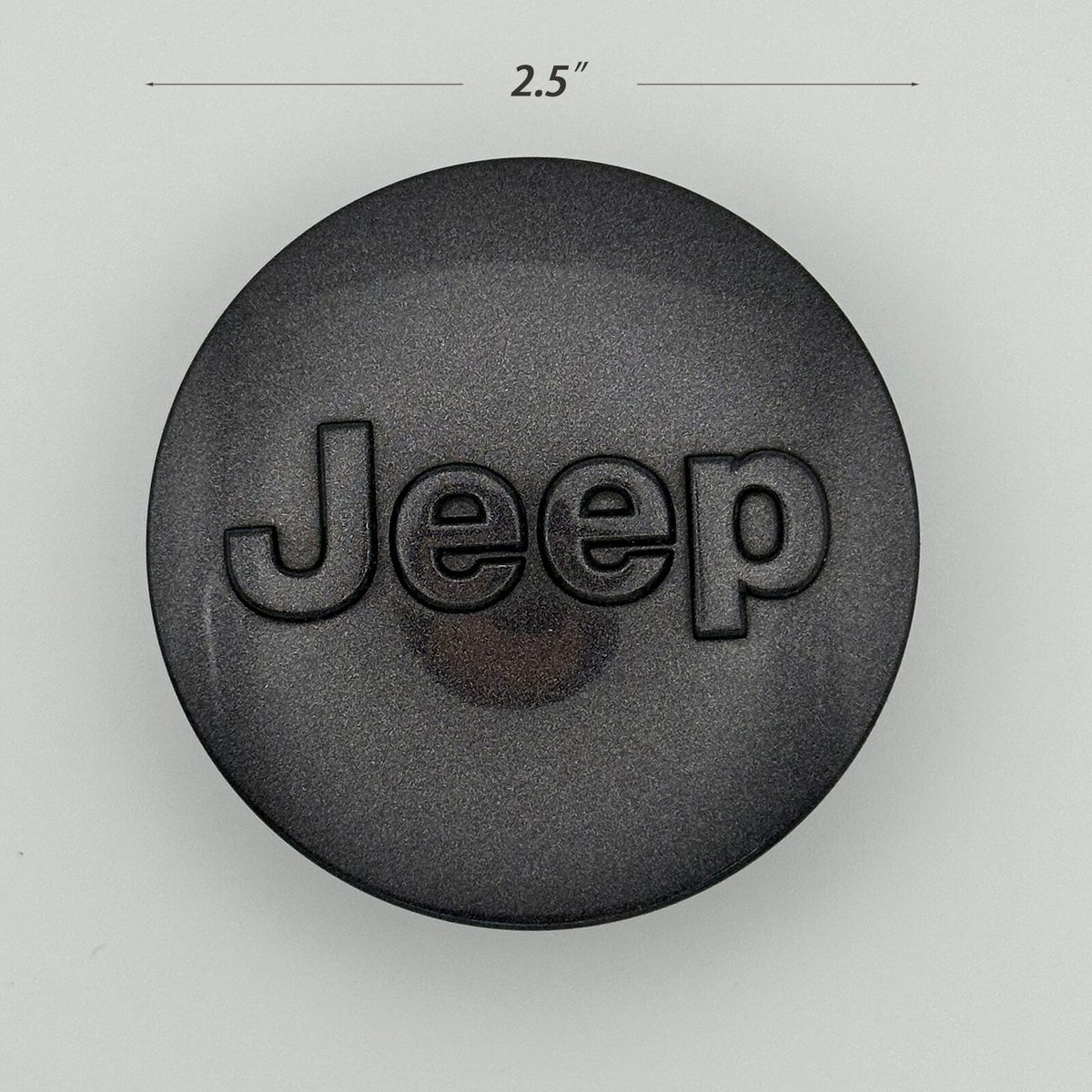
Every center cap fitment question comes down to three numbers, all measured in millimetres. Get these three right and a replacement cap locks in flush. Get any one of them wrong and the cap rattles, sits crooked, or leaves on the highway. Here is exactly what each number means and how to take it.
The three measurements
- Outer diameter (OD) — the width across the cap's face, at its widest point. This is the number most listings advertise, and mostly it drives cosmetic matching.
- Clip diameter (ID) — the distance across the tips of the retention clips on the back of the cap. This is the fitment number: it has to match the opening in the wheel the cap snaps into.
- Clip depth — how far the clips extend behind the cap face. Too deep and the clips bottom out on the axle nut; too shallow and the cap won't seat flush.
The 7-step method
- Remove the old cap. A plastic trim tool is best; a cloth-wrapped flathead screwdriver works if you're careful.
- Measure the OD with a caliper across the widest point of the cap face.
- Measure the clip ID across the tips of the two farthest opposing retention clips on the back. If your cap uses a spring/wire ring instead of clips, measure across the ring seat.
- Measure the clip depth from the base of the cap to the clip tips.
- Cap lost entirely? Measure the wheel's center-bore opening directly — that's the hole the cap has to fill.
- Always measure in millimetres. Center cap sizing is metric; a 1 mm miss means a cap that rattles, sits crooked, or falls off.
- Check the back of the cap for a molded part number before ordering. An OEM part number beats any size chart — it's how the sizes on this site were verified.
Know your retention style
While the cap is off, note how it attaches — a replacement needs the same style, not just the same size:
- Snap-in plastic clips — most common on passenger cars; finger-pressure install.
- Spring / wire ring — a metal ring adds tension behind plastic tabs.
- Screw-on — small Torx/Allen screws; common on luxury and performance wheels.
- Push-through with retaining ring — pushed in from behind the wheel; common on trucks and off-road wheels, and the longest-lived style.
- Lug-cover / bolt-over — big caps that cover the lug nuts (the 1997–2004 F-150's 180 mm caps are the classic example), held by the lugs or threaded plastic nuts.
For the visual walkthrough with the diagram, see our How to Measure page, and the full charts live in the Fitment Guide.
Related guides
- How to Measure — the step-by-step page with diagram
- Fitment Guide — full diameter & bore charts
- Center Bore vs Center Cap Diameter — the #1 fitment mistake
Next steps
Run your numbers through the Cap Finder, or re-check them with the How to Measure walkthrough before you order.
Shop this fitment on eBay Cap Concierge — we find your cap
Disclosure: shopping links are plain eBay searches today; when our eBay Partner Network links activate, purchases through them may earn oemcentercaps.com a commission at no cost to you. Advertise on oemcentercaps.com
Sources: EngineerFix measurement guides (engineerfix.com — how to measure wheel center cap size; are all center caps the same size; how to measure center caps for a perfect fit); retention-style tables via carinterior.alibaba.com wheel cap replacement guides.